
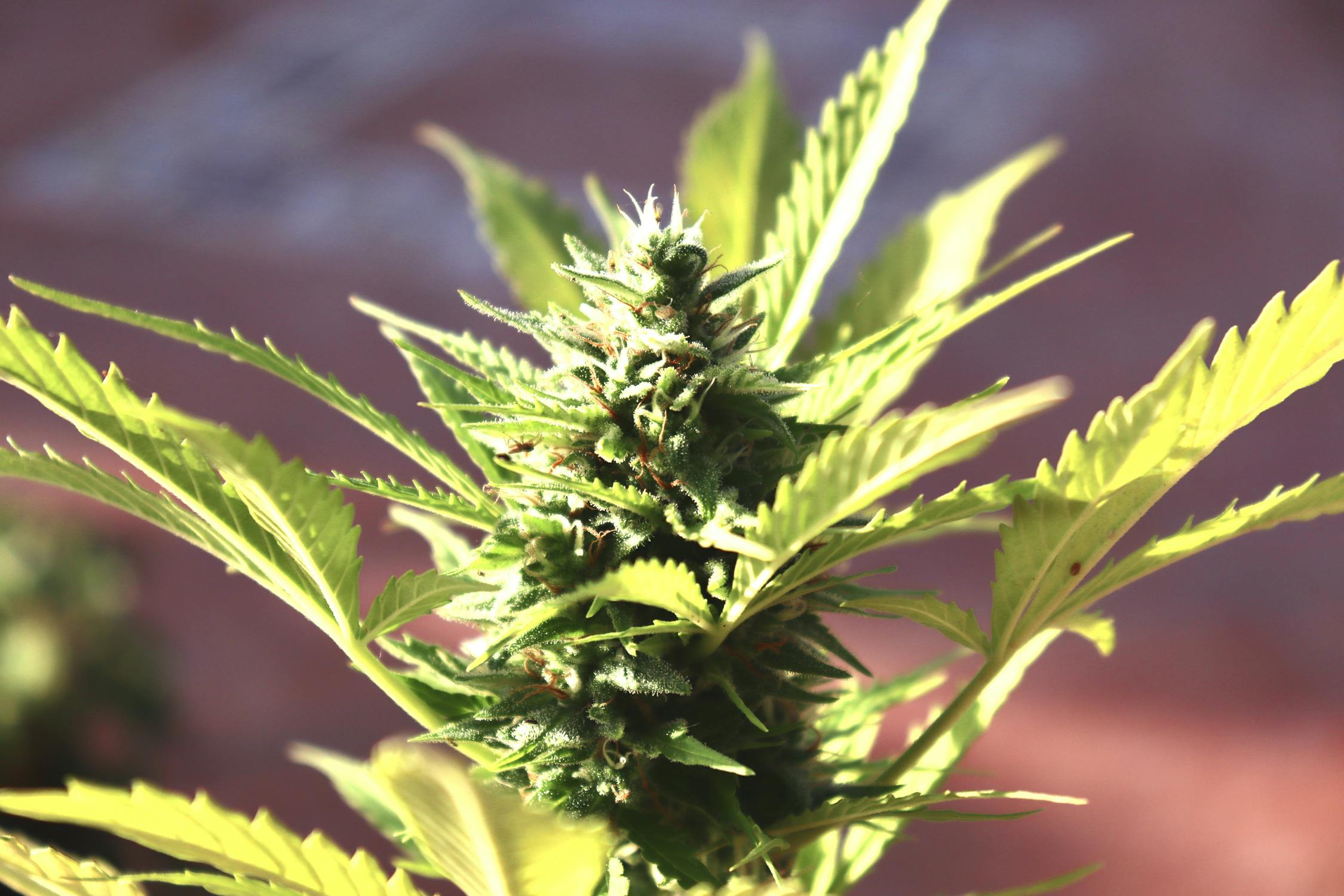
What Is Cannabis Flower?
Cannabis flower refers to the dried and cured buds of the female cannabis plant. These buds are covered in tiny, crystalline structures called trichomes, which produce the cannabinoids (like THC and CBD) and terpenes responsible for the effects, flavors, and aromas you experience. Flower is the oldest and most widely consumed form of cannabis, and it remains the foundation of the entire industry.
When you walk into Cottonmouth Dispensary and look at the jars lining the shelves, you are looking at cannabis flower. Each jar contains a different strain with its own unique combination of cannabinoids, terpenes, and physical characteristics. Understanding how to evaluate what is inside those jars is the key to finding the right flower for you.
Cannabis flower typically contains between 15% and 35% THC, though some strains push higher. CBD-dominant flower, which contains minimal THC, is also available for those who want therapeutic benefits without significant psychoactive effects. Flower can be smoked in a pipe, bong, or rolled into a joint, or vaporized using a dry herb vaporizer.
Indica, Sativa, and Hybrid: The Traditional Classifications
For decades, cannabis has been categorized into three groups: indica, sativa, and hybrid. These labels originated from the physical characteristics of the plants themselves. Indica plants tend to be shorter and bushier with broader leaves, while sativa plants grow taller and thinner with narrow leaves. Hybrids are crosses between the two.
Indica
Body relaxation, sedation, and appetite stimulation. Best for evening use, unwinding after a long day, or helping with sleep. Classic strains include Granddaddy Purple, Northern Lights, and Bubba Kush.
Sativa
Cerebral stimulation, energy, and creativity. Best for daytime use, social activities, or creative work. Well-known strains include Jack Herer, Sour Diesel, and Green Crack.
Hybrid
Balanced effects that can lean indica or sativa depending on genetics. Most modern strains are hybrids. Examples include Blue Dream, Wedding Cake, and Gelato.
THC and CBD Content
Every cannabis flower product at a licensed dispensary displays its THC and CBD percentages on the label. These numbers are determined by third-party laboratory testing and represent the potency of that specific batch.
Low Potency
10-15% THC. Good for beginners or those with low tolerance. Gentle effects that are easy to manage.
Mid Potency
15-22% THC. Suitable for most regular consumers. The sweet spot for balanced effects and rich terpene expression.
High Potency
22-30% THC. For experienced users who want stronger effects. Approach mindfully and dose slowly.
Very High Potency
30-35%+ THC. The upper limit of flower. Reserved for high-tolerance consumers. Approach with caution.
"Higher THC does not automatically mean a better experience. A 20% THC strain with a rich terpene profile often delivers a more enjoyable and nuanced experience than a 30% THC strain with a flat terpene profile."
The budtenders at Cottonmouth Dispensary can help you navigate the balance between potency and terpene quality. Do not chase the highest number on the shelf. Instead, focus on finding strains that match your desired effects and flavor preferences.
How to Read a Flower Label
New Jersey law requires every cannabis product to carry specific information. Here is what you will find on a flower label and what each item means:
Strain Name
The cultivar (variety) of cannabis. Examples: Blue Dream, OG Kush, Gelato. This tells you the genetic lineage of the flower.
THC Percentage
The total psychoactive potency after decarboxylation. This is the number that matters most for effect strength.
CBD Percentage
The cannabidiol content. Higher CBD can moderate the intensity of THC and offer additional therapeutic benefits.
Terpene Profile
The dominant terpenes present, often listed with percentages. This tells you about flavor and effect character.
Batch & Date
A unique batch identifier and harvest/package date. Fresher flower means better aroma and potency. Look for product packaged within 60-90 days.
Net Weight
The amount of flower in the container, measured in grams or ounces. Common amounts: 1g, 3.5g (eighth), 7g (quarter), 14g (half), 28g (ounce).
How Terpenes Shape Your Experience
Terpenes are aromatic compounds produced alongside cannabinoids in the trichomes of the cannabis plant. They are responsible for the smell and flavor of each strain, and research suggests they also influence the type of effects you feel. Here are the most common terpenes you will encounter:
Myrcene
Aroma: Earthy, musky, herbal
Effects: Relaxation, sedation, body comfort. The most abundant terpene in cannabis. Strains high in myrcene produce a heavy, calming effect.
Limonene
Aroma: Citrus, lemon, orange
Effects: Mood elevation, stress relief, energetic uplift. Limonene-dominant strains often feel bright and cheerful.
Pinene
Aroma: Pine, fresh, earthy
Effects: Alertness, focus, mental clarity. Pinene may also support respiratory openness. Found in pine trees and rosemary.
Caryophyllene
Aroma: Peppery, spicy, woody
Effects: Physical comfort, anti-inflammatory. The only terpene known to bind directly to CB2 receptors in the body.
Linalool
Aroma: Floral, lavender
Effects: Calming, anxiety relief, gentle sedation. Also found abundantly in lavender plants.
Terpinolene
Aroma: Floral, herbal, slightly piney
Effects: Uplifting, creative, mildly sedating at higher concentrations. Less common but distinctive when present.
For a deeper dive into every major terpene and how they interact with cannabinoids through the entourage effect, visit our complete Terpenes Guide.

Storing Your Flower Properly
Cannabis flower degrades when exposed to light, heat, air, and excess moisture. Proper storage preserves potency, flavor, and freshness for weeks or even months. Follow these guidelines:
- Container: Use an airtight glass jar (like a Mason jar). Avoid plastic bags, which create static that can knock off trichomes, and avoid metal containers, which can alter flavor.
- Temperature: Store between 60-70 degrees Fahrenheit. Avoid heat sources, windowsills, and cars. Excessive heat degrades THC into CBN, a less desirable cannabinoid associated with sleepiness.
- Humidity: Maintain 55-62% relative humidity inside the jar. Too much moisture invites mold; too little dries out terpenes.
- Light: Store in a dark place. UV light is the single biggest factor in cannabinoid degradation over time.
- Handling: Handle buds as little as possible. Every time you touch flower, you risk breaking off trichomes.
Visual Quality Indicators
You can tell a lot about cannabis flower by looking at it carefully. Here are the signs of well-grown, properly cured flower:
Trichome Coverage
High-quality flower is visibly frosted with trichomes, appearing as tiny, sparkling crystals on the surface. Dense trichome coverage generally indicates higher potency and a richer terpene profile.
Color
Good flower ranges from bright green to deep green, sometimes with purple, blue, or orange hues. Brown or yellow coloring can indicate old or poorly stored cannabis. Pistils should be orange, amber, or reddish-brown.
Structure
Well-trimmed buds should be tight and dense (indica-leaning) or fluffy and elongated (sativa-leaning). Excessively loose or airy buds may indicate premature harvest. Stems should be minimal.
Aroma
Flower should have a strong, distinct aroma, whether piney, citrusy, skunky, sweet, or earthy. Little to no aroma suggests old or improperly cured flower. A hay-like or musty smell is a red flag.
Quick Reference Card
| Factor | Detail |
|---|---|
| Peak Effects | 15-30 minutes after inhalation |
| Consumption Methods | Pipe, bong, joint, blunt, dry herb vaporizer |
| Best For | Full-spectrum experience, flavor exploration, traditional use |
| Beginner Tip | Start with 1-2 small inhalations of a 15-20% THC strain. Wait 10 minutes before consuming more. |
| Storage | Glass jar, 60-70F, 55-62% humidity, dark location |
Grinding and Preparation
Before smoking or vaporizing, flower should be ground into smaller, evenly sized pieces. This ensures consistent airflow and even combustion or vaporization. A two-piece or four-piece grinder is the standard tool. Four-piece grinders include a kief catcher that collects the trichomes that fall off during grinding.
Grind your flower just before you plan to use it. Pre-ground cannabis loses terpenes and potency rapidly as the increased surface area accelerates oxidation. If you purchase pre-ground flower for convenience, use it within a few days and keep it sealed between sessions.
Ready to try cannabis flower?
First-time customers get a first-visit discount on their entire purchase at Cottonmouth Dispensary. Our budtenders will walk you through every strain on the shelf.
This product contains cannabis. For use only by adults 21 and older. Keep out of reach of children. Cannabis can impair concentration, coordination, and judgment. Do not operate a vehicle or machinery under the influence of cannabis.
Related Guides
Related Medical Guides
- Cannabis for Chronic Pain — How different flower strains may help manage pain
- Cannabis Consumption Methods — Compare smoking flower to every other option