
What Is a Cannabis Tincture?
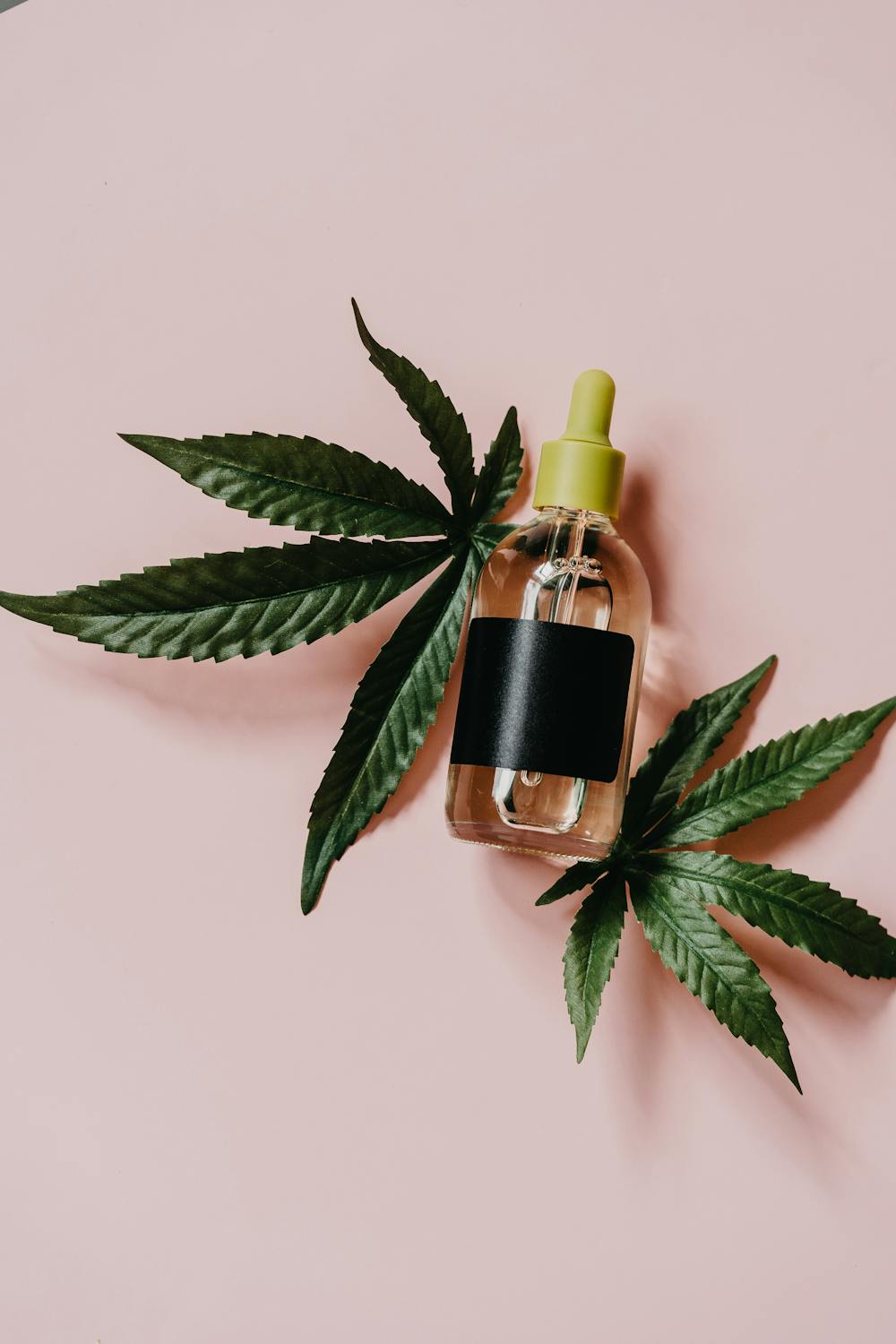
A cannabis tincture is a liquid extract that delivers cannabinoids (THC, CBD, or both) in a concentrated, easy-to-dose form. Modern tinctures are typically made by infusing cannabis extract into a carrier oil, most commonly MCT (medium-chain triglyceride) coconut oil or hemp seed oil. They come in small glass bottles with a calibrated dropper that allows you to measure precise milligram doses.
Tinctures are one of the oldest forms of cannabis medicine, predating legalization by centuries. They were widely available in pharmacies in the United States until cannabis prohibition in the 1930s. Today, they have re-emerged as one of the most practical and precise delivery methods available at licensed dispensaries like Cottonmouth Dispensary.
Unlike edibles, which must be digested, tinctures offer two different administration routes: sublingual (under the tongue) for faster onset, or oral (swallowed) for longer-lasting effects similar to edibles.
Sublingual Administration
The primary advantage of tinctures is sublingual dosing. Place the desired amount of tincture under your tongue and hold it there for 30-60 seconds before swallowing. The mucous membranes under your tongue absorb cannabinoids directly into your bloodstream, bypassing the digestive system and liver.
This sublingual route provides:
- Faster onset: 15-30 minutes, compared to 60-120 minutes for swallowed edibles
- More predictable timing: Because you skip the variability of digestion
- Moderate duration: 4-6 hours, shorter than swallowed edibles but longer than inhalation
If you swallow the tincture immediately instead of holding it under your tongue, the experience will more closely resemble a traditional edible: slower onset (45-90 minutes), longer duration (4-8 hours), and metabolism through the liver producing 11-hydroxy-THC.
Types of Tinctures by Cannabinoid Profile
THC-Dominant
These tinctures contain primarily THC with minimal CBD. They produce psychoactive effects and are chosen by recreational consumers or medical patients seeking pain relief, appetite stimulation, or sleep support. Common potencies range from 100mg to 1000mg of total THC per bottle.
CBD-Dominant
Primarily CBD with little to no THC. These tinctures do not produce a high and are popular among people seeking relief from anxiety, inflammation, or general wellness support without psychoactive effects. They are an excellent entry point for people who are curious about cannabis but wary of THC.
Balanced Ratios
Tinctures containing both THC and CBD in specific ratios. Common ratios include:
- 1:1 (THC:CBD): Equal parts. The CBD moderates the psychoactive intensity of THC while both cannabinoids contribute therapeutic benefits. Popular for pain, anxiety, and general balance.
- 2:1 (CBD:THC): More CBD than THC. Mild psychoactive effects with stronger CBD influence. Good for those who want some THC benefit with minimal intoxication.
- 4:1 (CBD:THC): CBD-forward with a small amount of THC. The THC enhances the effectiveness of CBD through the entourage effect without producing significant psychoactivity.
Full-Spectrum vs. Isolate
Full-spectrum tinctures contain the complete range of cannabinoids, terpenes, and other compounds naturally present in the cannabis plant. This includes THC, CBD, CBG, CBN, and dozens of terpenes working together in what researchers call the entourage effect. Full-spectrum products are generally considered more effective than isolates because the compounds enhance each other's benefits.
Isolate tinctures contain only a single purified cannabinoid (usually THC or CBD) with all other compounds removed. Isolates offer precise, consistent dosing of one specific compound. They are useful for people who want to avoid THC entirely (CBD isolate) or who are sensitive to certain terpenes.
At Cottonmouth Dispensary, our budtenders generally recommend full-spectrum products for the most complete experience, but isolates have their place for specific needs.
Dosing Protocol
Tinctures offer the most precise dosing of any cannabis product, but precision only helps if you follow a disciplined protocol:
- Start at 2.5-5mg THC. This is typically a half dropper or less, depending on the tincture's concentration. Check the label for mg per dropper.
- Hold under your tongue for 30-60 seconds before swallowing.
- Wait 30-45 minutes for sublingual effects to develop before considering a second dose.
- Increase by 2.5mg increments over subsequent sessions until you find your optimal dose.
- Keep a dosing journal. Record the product, the dose, the time, and the effects. This helps you dial in your ideal amount over time.
Many tincture users find their sweet spot between 5-15mg THC per dose, but individual variation is wide. Some people are comfortable at 2.5mg; others need 25mg or more. The journal method is the most reliable way to find your number.
Who Gravitates Toward Tinctures
- Seniors: Easy to dose, no inhalation required, gentle onset. Many older adults prefer tinctures for managing pain, sleep issues, and anxiety.
- Medical patients: The precision of tincture dosing makes them ideal for consistent therapeutic regimens.
- Smoke-averse consumers: People who want cannabis benefits without inhaling anything.
- Discreet users: Tinctures produce no smoke, no vapor, and no noticeable odor. Administration takes seconds and looks no different from taking any other supplement.
- Microdosers: The dropper makes it easy to take very small doses (1-2.5mg) for sub-perceptual effects.
Drug Interactions and the CYP450 Enzyme System
Cannabis is metabolized by the cytochrome P450 (CYP450) enzyme system in the liver, the same system that processes many common medications. Both THC and CBD can inhibit or activate certain CYP450 enzymes, potentially altering how your body processes other drugs.
If you take any of the following, consult your healthcare provider before using cannabis tinctures:
- Blood thinners (warfarin, heparin)
- Anti-seizure medications
- Certain heart medications
- Immunosuppressants
- Benzodiazepines or other sedatives
- Certain antidepressants (SSRIs, SNRIs)
This is not an exhaustive list. Any medication with a "grapefruit warning" is metabolized by CYP450 and may interact with cannabis. Always disclose your cannabis use to your doctor or pharmacist.
Storage and Shelf Life
- Store in a cool, dark place. A kitchen cabinet or medicine cabinet away from heat and light is ideal.
- Keep the bottle tightly sealed when not in use to prevent oxidation.
- Shelf life: Most tinctures remain potent for 12-18 months when stored properly. Check the expiration date on the label.
- Avoid refrigeration unless the label specifically recommends it, as cold temperatures can cause the oil to thicken and make dosing less accurate.
- Shake before each use to ensure the cannabinoids are evenly distributed throughout the oil.
This product contains cannabis. For use only by adults 21 and older. Keep out of reach of children. Cannabis can impair concentration, coordination, and judgment. Do not operate a vehicle or machinery under the influence of cannabis.
Related Guides
Dosing Guide
Dosing recommendations for every product type, from microdosing to experienced levels.
Read Dosing Guide →Edibles Guide
Gummies, chocolates, and beverages. How edible processing differs from sublingual absorption.
Read Edibles Guide →Topicals Guide
Creams, balms, and patches for localized relief without psychoactive effects.
Read Topicals Guide →Related Medical Guides
- Medical Cannabis Guide — How tinctures fit into therapeutic cannabis regimens
- Cannabis for Chronic Pain — Why tinctures are popular for pain management dosing