
A Craft With 3,000 Years of History
Cottonmouth Dispensary's glass art studio practices flameworking, one of the oldest forms of glasswork known to civilization. The earliest evidence of humans manipulating glass with heat dates back to approximately 1500 BCE in ancient Egypt and Mesopotamia, where artisans used oil lamps and blow tubes to shape glass beads for jewelry and trade goods. These small, colorful beads were among the most valuable commodities of the ancient world, traded across the Mediterranean and into Africa, Asia, and Europe.
By the first century BCE, Roman glassworkers had refined the process, using bellows-fed flames to create more intricate forms. But the true transformation of flameworking into high art came during the Venetian Renaissance on the island of Murano, beginning in the 13th century. Murano glassblowers developed techniques for manipulating glass with extraordinary precision, creating everything from ornate chandeliers to scientific instruments. The Venetian guild system kept these techniques closely guarded, and artisans were forbidden from leaving the island under threat of death.
Modern flameworking as we know it evolved dramatically in the 20th century with the introduction of borosilicate glass and precision torch systems. The counterculture movement of the 1960s and 1970s brought flameworking into the world of functional art, and by the 1990s and 2000s, a new generation of glass artists had elevated pipe-making into a recognized fine art form with pieces selling at auction for tens of thousands of dollars. Today, flameworking is practiced in studios around the world, including right here at Cottonmouth Dispensary in Runnemede, New Jersey.
Understanding Borosilicate Glass
The material that defines modern flameworking is borosilicate glass, most commonly known by its commercial name, Pyrex. Borosilicate glass contains boron trioxide as a major component, which gives it a low coefficient of thermal expansion. In practical terms, this means it can withstand dramatic temperature changes without cracking or shattering, a property known as thermal shock resistance.
Standard soda-lime glass (the kind used in windows and drinking glasses) expands rapidly when heated and contracts when cooled, making it prone to fracture. Borosilicate glass expands roughly one-third as much, which is why it can be heated to working temperature with a torch and then cooled in a kiln without structural failure. It also has a higher working temperature (approximately 1,500-1,700 degrees Fahrenheit), which gives artists a longer working window before the glass becomes too fluid to control.
Color in borosilicate glass comes from metallic oxides added during the manufacturing process. Different metals produce different colors:
- Cobalt oxide produces deep, vivid blues
- Gold chloride creates rich reds and pinks (known as "gold ruby" or "striking" colors that develop with reheating)
- Silver yields warm yellows and ambers
- Chromium oxide produces greens
- Manganese dioxide creates purples
- Copper oxide produces turquoise and aqua tones
- Uranium oxide was historically used to create fluorescent green "vaseline glass"
Artists working at Cottonmouth have access to a full inventory of colored borosilicate rod and tubing from leading manufacturers. The interaction between different colored glasses under heat is part of what makes each piece unique: some colors react with each other, creating unexpected patterns and depth that cannot be replicated identically twice.
Torch Types and Equipment
The torch is the primary tool in flameworking, and the type of torch used determines the scale and complexity of work possible. All flameworking torches burn a combination of propane (or natural gas) as fuel and oxygen as an oxidizer. The oxygen-enriched flame reaches temperatures far higher than propane alone, which is necessary to melt and shape borosilicate glass.
Surface Mix Torches
Surface mix torches keep the fuel and oxygen in separate channels until they meet at the face of the torch head. This produces a softer, more diffuse flame that is easier to control for beginners and is well-suited for small to medium work like pendants, marbles, and spoon pipes. Surface mix torches are the most common type found in glass studios.
Premix Torches
Premix torches combine fuel and oxygen inside the torch body before the flame exits, producing a sharper, more concentrated flame with higher maximum temperatures. These torches are preferred for large-scale work, heavy wall tubing, and sculptural pieces that require moving large amounts of glass quickly. Premix torches require more experience to operate safely.
Oxygen Supply
Oxygen can be supplied from compressed tanks or from an oxygen concentrator, which pulls oxygen from ambient air. Concentrators are more economical for sustained studio use because they eliminate the need to refill tanks. Most professional studios, including the Cottonmouth studio, use concentrators as the primary oxygen source with tank backup for high-demand sessions.
Core Flameworking Techniques
Every piece of flameworked glass begins with the same fundamental material: a rod or tube of borosilicate glass heated in the flame until it reaches working temperature. From there, the artist applies a combination of techniques that have been developed and refined over centuries.
Pulling and Stretching
One of the most fundamental techniques, pulling involves heating a section of glass and then drawing it outward to create thin rods, points, or tapered shapes. This is how mouthpieces, stems, and decorative points are formed. The speed and angle of the pull, combined with the temperature of the glass, determine the thickness and shape of the resulting form.
Gravity Work
Glass is dense, and at working temperature, gravity becomes a shaping tool. By holding heated glass at specific angles and rotating at controlled speeds, artists allow gravity to pull the molten material into organic shapes. Bell forms, flared openings, and curved surfaces are all achieved through gravity work. Mastering the relationship between rotation speed, angle, and temperature is one of the most important skills in flameworking.
Application and Layering
Adding molten glass from one rod onto another piece is called application. This is how artists build up walls, add color patterns, create raised designs, and construct multi-layered pieces. Dots, lines, spirals, and lattice patterns are all built through precise application. Each layer must be heated enough to bond permanently with the base glass without distorting the work underneath.
Fuming
Fuming is a technique unique to glass art that uses vaporized precious metals to deposit thin layers of color onto glass surfaces. When silver is heated to vaporization point near the glass surface, it deposits a thin metallic film that produces blue and purple hues. Gold fuming creates pink, amber, and warm honey tones. The magic of fumed glass is that the colors change and shift over time with use, a phenomenon called "color change," as oils and resins interact with the metallic layer and alter how it refracts light.
Sculpting
Sculptural flameworking involves shaping molten glass into representational or abstract three-dimensional forms using a combination of tools (graphite paddles, tungsten picks, tweezers, mashers) and freehand manipulation. Sculptural work demands a deep understanding of how glass moves at different temperatures and the ability to work quickly before the glass cools below its working range.
Coldworking
After a piece is formed and annealed, coldworking refines the finished product. This includes grinding (flattening surfaces or removing imperfections), sanding (smoothing rough areas through progressively finer grits), and polishing (restoring optical clarity to ground or sanded surfaces). Coldworking turns a formed piece into a finished piece.
Annealing: Why It Matters
Annealing is the controlled cooling process that every piece of flameworked glass must undergo to become structurally sound. When glass is worked at the torch, different areas of the piece cool at different rates, creating internal stresses. If left unannealed, these stresses can cause the glass to crack spontaneously, sometimes hours or days after it was made.
The annealing process involves placing the finished piece in a kiln programmed to hold the glass at a specific temperature (the annealing point, typically around 1,050 degrees Fahrenheit for borosilicate glass) for a set period, then cooling it at a precisely controlled rate. Depending on the size and thickness of the piece, annealing can take anywhere from 8 to 24 hours. Thick sculptural pieces and pieces with significant variations in wall thickness require the longest annealing cycles.
Cottonmouth's studio operates a production kiln that runs daily, ensuring that every piece produced in the studio is properly annealed before it reaches the retail floor. Properly annealed glass is durable, thermally resistant, and safe for everyday use.
Safety in the Glass Studio
Flameworking involves open flame, extreme temperatures, and molten material. Professional studios maintain strict safety protocols to protect both artists and anyone in the vicinity.
- Didymium glasses are mandatory eye protection for anyone at the torch. These specialized lenses filter out the bright sodium flare produced by hot glass, which can cause eye strain and long-term damage without protection. Standard sunglasses do not provide adequate filtering.
- Ventilation is critical. When glass is heated, trace amounts of metals and compounds are released as fumes. A properly designed studio uses overhead extraction hoods and fresh air circulation to maintain safe air quality.
- Fire safety includes keeping the workspace clear of flammable materials, maintaining fire extinguishers within arm's reach, and never leaving a lit torch unattended.
- Burn protocol: hot glass looks identical to cold glass. Artists learn to use tools rather than bare hands when moving recently worked glass. For minor burns, cold running water for 10-20 minutes is the standard first aid. Serious burns require immediate medical attention.
The Cottonmouth Glass Art Studio
Cottonmouth Dispensary is one of the only cannabis dispensaries in New Jersey with a fully operational, in-house flameworking studio. The studio features multiple torch stations equipped with surface mix torches for detailed work, a production kiln running daily annealing cycles, and a full color inventory of borosilicate rod and tubing from manufacturers including Northstar, Glass Alchemy, Momka's Glass, and TAG.
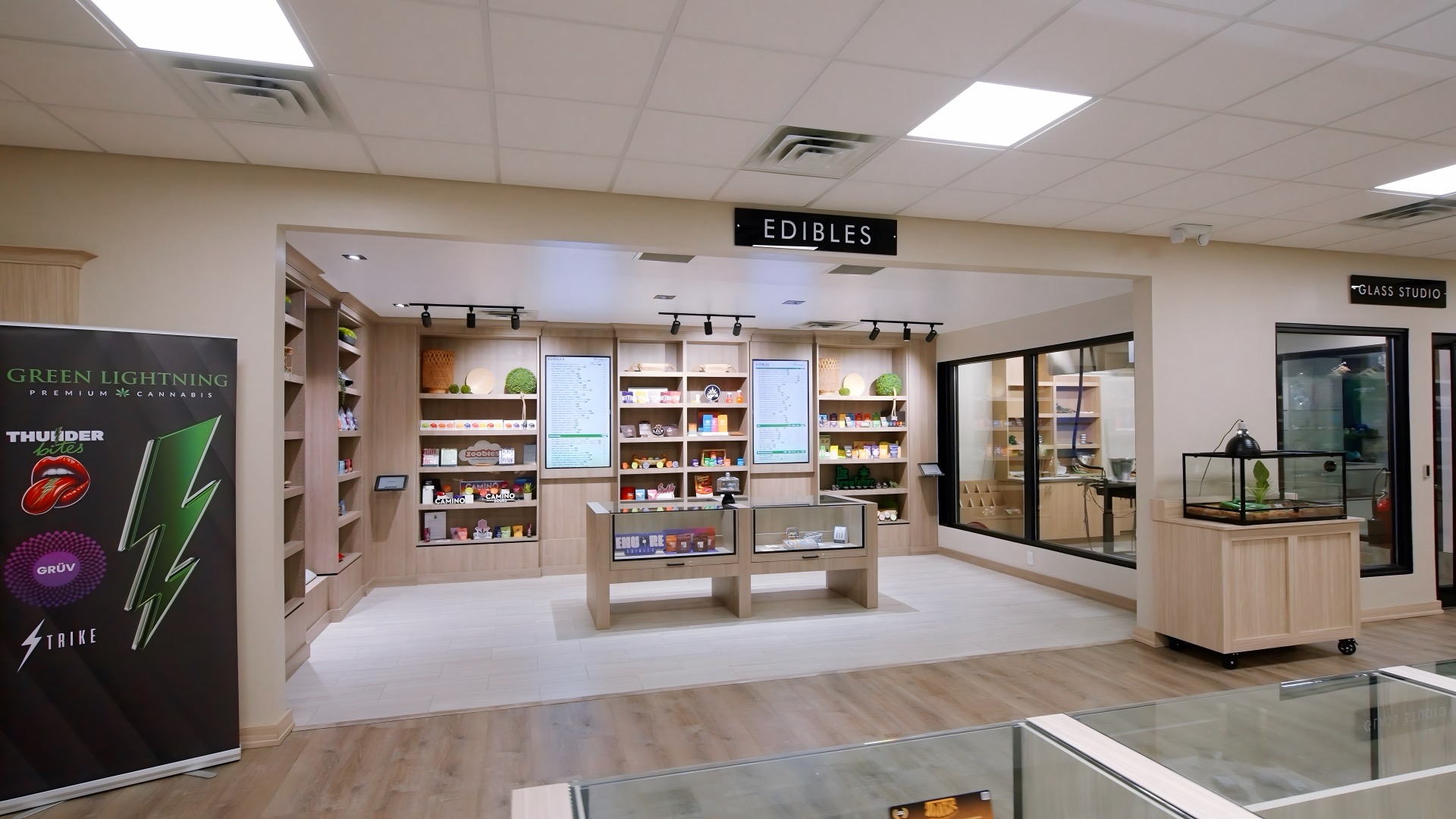
The studio supports a rotating roster of resident artists who produce functional glass, sculptural pieces, and custom commissions. Visitors can watch live flameworking demonstrations daily, browse the retail selection of studio-made pieces, or inquire about custom commissions. The studio is visible from the dispensary floor, and artists are happy to answer questions about their craft.
Whether you're a glass collector, an aspiring artist, or simply curious about how your pipe was made, the Cottonmouth studio offers a window into a craft that spans three millennia and continues to evolve every day.
Related Pages
Explore More
- Glass Art Studio — Tour the in-house studio
- Glass Art Events — Demos, workshops, and exhibitions
- Featured Artists — Meet the resident glass artists